Proudly Canadian
 100% online process
 Unlimited doctor messaging
 Free and discreet shipping
 Affordable pricing with no hidden fees

Key Highlights
- Postpartum weight management can be challenging due to hormonal changes, breastfeeding, sleep deprivation, limited support, and emotional health factors.
- Ozempic (semaglutide) is a prescription medication approved for type 2 diabetes and certain adult weight management, not specifically for postpartum use.
- Safety during breastfeeding is not established; potential risks to infants are unknown.
- Common side effects in adults may include nausea, vomiting, diarrhea, constipation, or abdominal discomfort. Rare serious risks include pancreatitis or certain thyroid issues.
- Always consult a healthcare provider before considering any prescription medication postpartum to ensure it is safe and appropriate.
- DooÜ provides resources and guidance for postpartum wellness and safe, medically supervised weight management options.
Losing weight after pregnancy can feel overwhelming. Between adjusting to life with a newborn, recovering physically, and managing emotional changes, many new mothers face unexpected challenges on their postpartum weight loss journey. Hormonal shifts, disrupted sleep, and limited time for self-care can make even small progress feel frustrating.
Beyond the physical changes, emotional and mental health factors often play a big role. Stress, fatigue, and postpartum anxiety can affect motivation, eating habits, and overall wellness. For many women, finding a sustainable routine that fits into the demands of life with a baby becomes one of the biggest hurdles.
This blog explores the realities of safe postpartum weight loss methods, common challenges Canadian mothers face, and safe professional approaches to support healthy recovery. You will learn about strategies, timelines, and factors to consider when planning your weight management journey after pregnancy while keeping your well-being and long-term health a priority.
Why Is Postpartum Weight Loss So Difficult for Many Canadian Moms?

For many Canadian mothers, the weight loss journey after childbirth is far from a simple “diet and exercise” journey. The postpartum period is a time of recovery, adjustment, and emotional transition. While some women may naturally return to their pre‑pregnancy weight, others face unique postpartum weight loss challenges that can make progress slower and more complex.
1. Hormonal Changes

After delivery, shifts in estrogen and progesterone can affect metabolism, appetite regulation, and fat storage. These hormonal changes, combined with elevated cortisol from lack of sleep, can slow postpartum weight loss and make cravings harder to control.
2. Breastfeeding Considerations

For breastfeeding mothers, calorie needs are higher, and certain dietary restrictions may apply. Rapid weight loss or extreme dieting may affect milk supply. In Canada, healthcare providers generally recommend a gradual, balanced approach to postpartum weight loss to protect both mother and baby.
3. Sleep Deprivation and Fatigue

Interrupted sleep is a near‑universal reality for new parents. Chronic fatigue can disrupt hormonal balance, increase hunger hormones, and reduce the motivation to exercise. This is one reason many mothers struggle to follow a structured postpartum weight loss plan.
4. Access to Postpartum Support

In Canada, public healthcare covers essential postpartum check‑ups, but ongoing nutritional counseling, physiotherapy, or specialized weight‑loss support often comes at an additional cost or requires private insurance. Limited access can delay or complicate progress.
5. Emotional and Mental Health Factors

Postpartum depression, anxiety, or simply the emotional stress of adapting to life with a newborn can lead to emotional eating or reduced self‑care. These challenges can make safe and consistent weight loss even harder.
Pair a balanced, doctor-approved meal plan with regular activity for healthy postpartum weight management, and explore our smart eating tips.
Is It Safe to Use Prescription Weight Loss Options After Pregnancy?

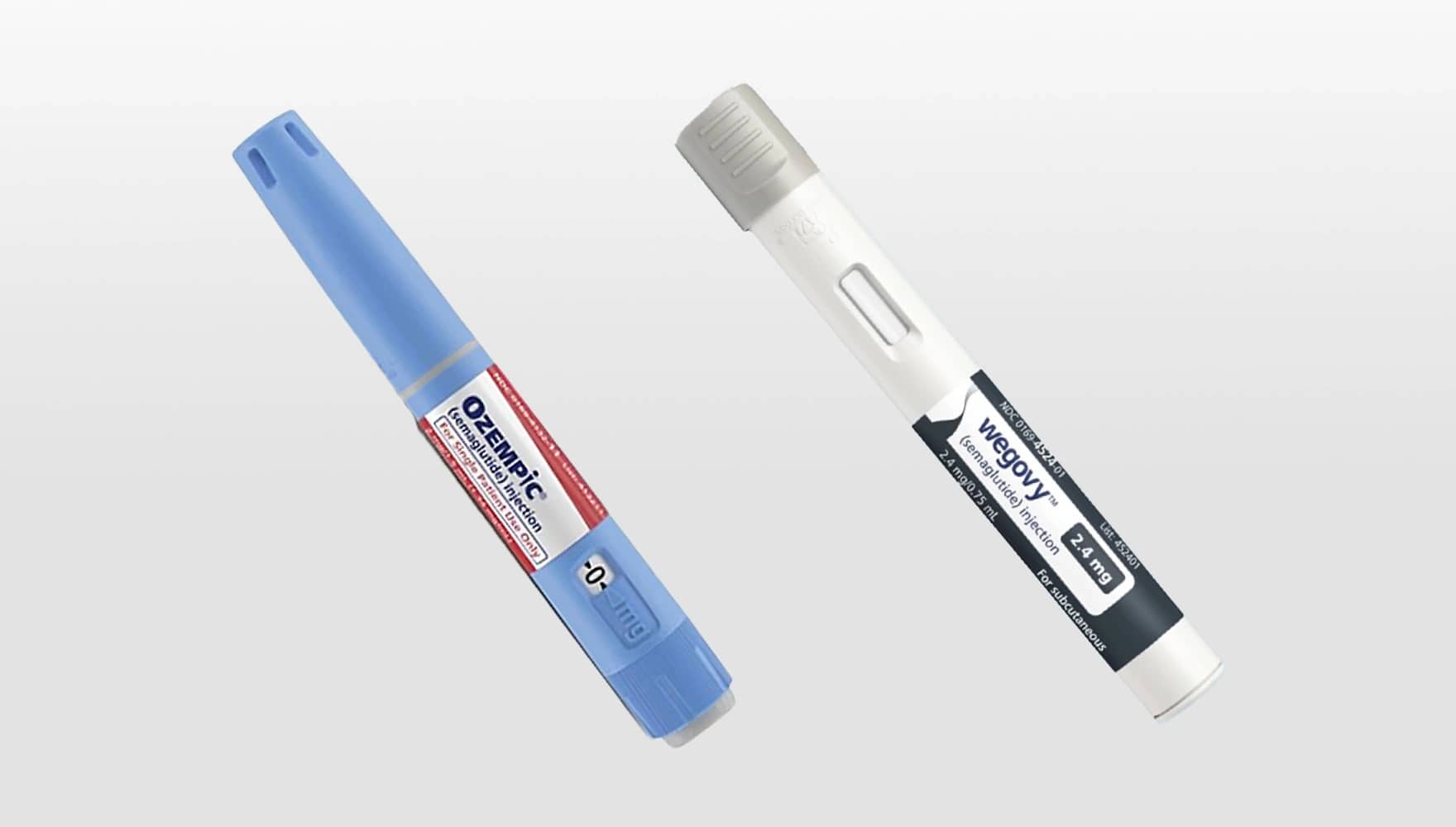
Some prescription medications, including Ozempic (semaglutide), are approved in Canada under specific medical supervision.
While these medications are not specifically approved for postpartum weight loss, understanding how they work can help you have informed conversations with your healthcare provider.
This GLP-1 medication works by mimicking a natural hormone called GLP‑1 (glucagon-like peptide‑1). This hormone helps regulate appetite, slow digestion, and improve blood sugar control. Its mechanism can contribute to gradual, medically supervised weight management in approved contexts.
For new mothers, professional guidance is essential before considering any prescription medication. Your healthcare provider can explain whether such medications may be appropriate for your personal health needs and recovery, taking into account factors like breastfeeding, overall health, and long-term safety.
Not sure Ozempic is right for you? Discover the top Ozempic alternatives available in Canada today.
Is Ozempic Safe for Postpartum Women?

When considering Ozempic for postpartum weight loss, safety is a top concern, especially in the context of recovery and possible breastfeeding. Here's what the latest evidence and Canadian guidelines suggest.
What Does Research Say About Postpartum Use?
While this GLP-1 medication is gaining attention online, it’s important to remember that the medication was originally approved in Canada in January 2018 under medical supervision.
That said, some early research has explored how Semaglutide behaves in postpartum women, particularly in relation to breast milk transmission and infant safety. Current evidence suggests:
- A small human study measuring semaglutide levels in breast milk found no detectable drug in samples collected up to 24 hours post-dose, suggesting very low transmission risk (below 1.3% Relative Infant Dose).
- Animal studies highlight potential risks of GLP‑1 medications during pregnancy, including fetal growth issues and skeletal abnormalities. In humans, major congenital malformations occurred in about 6% of pregnancies when exposed periconceptionally to GLP‑1 agonists. Semaglutide should be discontinued at least two months before pregnancy.
Want Ozempic legally in Canada? Follow our step‑by‑step guide to getting your prescription.
Can You Take GLP-1 medication While Breastfeeding?

For new mothers considering Ozempic, safety during breastfeeding is a critical concern. However, research on its effects during breastfeeding is minimal.
What the Research Says?
Currently, there are no well-controlled human studies evaluating the use of this GLP-1 medication while breastfeeding. According to the U.S. National Library of Medicine’s LactMed database, it is unknown whether semaglutide passes into human breast milk. Animal studies have shown that small amounts can be transferred through milk, but the implications for human infants are unclear.
What Are Safe Ways to Manage Weight After Pregnancy?
Losing baby weight can feel overwhelming, but small, consistent steps make a big difference.
- Eat Balanced Meals: Focus on whole foods, lean proteins, fruits, vegetables, and whole grains. Small, frequent meals and staying hydrated help maintain energy and support recovery.
- Move Your Body: Gentle walks, stretching, or postpartum-approved workouts boost strength, mood, and stamina. Check with your healthcare provider before starting new exercises.
- Prioritize Sleep and Self-Care: Even short rest periods help regulate hunger hormones, improve energy, and support emotional well-being.
- Seek Professional Support: Dietitians, physiotherapists, and healthcare providers can create a plan tailored to your recovery, helping you stay on track safely.
Taking it slow and steady supports long-term health, energy, and confidence during this postpartum journey.
GLP-1 After Pregnancy: Weighing the Benefits

For some women, the postpartum period brings not only the joys of motherhood but also concerns about weight retention and overall health. When prescribed under medical supervision, Ozempic may help certain postpartum women with:
- Weight loss support – By slowing digestion and reducing appetite, GLP-1 can help manage calorie intake and encourage gradual weight reduction.
- Improved blood sugar control – Beneficial for women with type 2 diabetes, insulin resistance, or a history of gestational diabetes.
- Metabolic health improvements – May lower the risk of developing type 2 diabetes or cardiovascular issues in at-risk individuals.
Ozempic Weight Loss Timeline – What to Expect Month by Month

If you are considering Ozempic (semaglutide) or another GLP-1 receptor agonist for weight management, understanding the typical weight loss timeline can help set realistic expectations. Results vary depending on your starting weight, lifestyle, dosage, and medical conditions, but here's a general postpartum weight loss timeline based on clinical findings and patient reports.
Month 1: Adjusting to Treatment
- Focus: Your body adapts to the weight loss medication.
- What to Expect:
- Appetite reduction and slower digestion begin.
- Initial weight loss may be modest, often 2–5 pounds, primarily due to reduced calorie intake.
- Common side effects like nausea, bloating, or mild stomach discomfort may occur. - Tip: Prioritize hydration and small, balanced meals to minimize side effects.
Month 2: Noticeable Changes
- Focus: Appetite control strengthens.
- What to Expect:
- Steadier weight loss of 1–2 pounds per week is possible.
- Many people start feeling more in control of cravings.
- Side effects often begin to lessen. - Tip: Start incorporating light physical activity if cleared by your doctor.
Months 3–4: Accelerated Progress
- Focus: Consistent weight loss and improved energy.
- What to Expect:
- Average total weight loss may reach 5–10% of starting weight by month 4.
- Improved blood sugar levels and reduced waist circumference for many users.
- Lifestyle changes feel more sustainable. - Tip: Work with a dietitian to optimize nutrition for long-term success.
Months 5–6: Plateau and Maintenance Planning
- Focus: Preventing weight loss plateaus.
- What to Expect:
- Weight loss may slow as your body adjusts to a lower calorie intake.
- Many patients have lost 10–15% of their starting weight by month 6.
- Ongoing appetite control helps maintain results. - Tip: Increase activity variety and adjust calorie intake as needed.
Beyond 6 Months: Long-Term Results
- Focus: Sustainable health improvements.
- What to Expect:
- Continued gradual weight loss or maintenance, depending on goals.
- Long-term use may help prevent weight regain, but stopping medication can lead to weight returning if lifestyle changes are not maintained. - Tip: Pair GLP-1 with a healthy diet and active lifestyle for the best long-term results.
Real Stories and Experiences: What Do New Canadian Mothers Say?

For many women, postpartum weight management is not just about appearance; it’s about health, fertility, and emotional well-being. While Canadian data on GLP-1 is still emerging, personal experiences from women worldwide offer insight into how these medications can impact life after pregnancy.
One such story comes from Wynter Mitchell-Rohrbaugh, who spoke publicly about her journey to ABC News. After experiencing multiple pregnancy losses, Wynter turned to in-vitro fertilization (IVF) as her next step toward having a child. Her doctor advised that she first lose 40 pounds to improve her chances of a successful pregnancy.
Like many women facing similar advice, Wynter explored medical weight-loss options and began using a GLP-1 receptor agonist that works by slowing digestion, reducing appetite, and improving blood sugar control. Over five months, she successfully lost the recommended 40 pounds. She then discontinued the medication under medical supervision before starting fertility treatments.
The result? A successful IVF cycle that produced viable embryos, something she had been working toward for years. For Wynter, Ozempic served as a stepping stone toward better reproductive health.
Start Your Safe, Doctor‑Guided Weight Loss Journey with DooÜ
Struggling to lose weight despite trying diets, workouts, and lifestyle changes? At DooÜ, we specialize in personalized, medically supervised weight loss programs tailored to your unique body, health history, and goals. Whether you’re dealing with extra weight after pregnancy, slower metabolism, or other health challenges, our approach focuses on sustainable fat loss, not quick fixes.
Our licensed Canadian healthcare providers use evidence‑based treatments, including clinically approved weight loss medications and custom nutrition and lifestyle plans, to help you achieve and maintain a healthy weight. You’ll receive ongoing support, progress tracking, and safe, professional guidance so that you can feel confident and in control of your health.
Take the first step today. Answer a few quick questions to find out which weight‑loss options are right for you.
Conclusion
For new mothers, losing baby weight is a long-term process, not a quick fix. While a weight-loss drug like GLP-1 for postpartum weight loss can help lower body mass index and manage excess weight, it should complement, not replace, a balanced diet, strength training, whole foods, healthy snack ideas, and enough sleep.
Aim for gradual fat loss to protect muscle and pelvic floor health, maintain milk production, and ensure adequate calories for recovery.
Support heart health, manage high blood pressure risk, and focus on small changes that last. Whether you're weeks postpartum or further along, consult your healthcare provider to ensure safe, sustainable progress.
Frequently Asked Questions
Can you take Ozempic postpartum after giving birth?
Starting Ozempic immediately postpartum is not recommended. Most healthcare providers suggest waiting at least six to eight weeks, ensuring you’ve healed and discussed your plan with a healthcare provider. The timing depends on your baby’s health, whether you’re breastfeeding, and your overall recovery.
How soon can I lose weight safely with Ozempic postpartum?
Weight loss with Ozempic may begin within the first month, but most new mothers see steady results between three and six months. Safe weight management means paying attention to calorie intake, energy levels, and working closely with a healthcare provider to avoid rapid or unhealthy weight loss.
Does using Ozempic impact future pregnancies?
There’s limited data on Ozempic’s long-term effects on fertility or future pregnancies. Some experts recommend stopping Ozempic one to two months before trying to conceive, as a precaution against possible birth defects or pregnancy complications. Always consult your healthcare provider about side effects and your reproductive plans before taking Ozempic for pp weight loss.
Is Ozempic a safe way to lose weight?
Ozempic (semaglutide) is approved in Canada for type 2 diabetes and certain adult weight management cases. Its use should always be supervised by a healthcare provider, and safety depends on individual health circumstances.
Is Ozempic good for breastfeeding mothers?
The safety of Ozempic during breastfeeding has not been established. Healthcare providers generally recommend avoiding it while nursing, as the potential effects on infants are unknown. Always consult a doctor before taking any prescription medication.
Can I go on Ozempic post partum?
Use of Ozempic postpartum should only be considered under medical supervision. Safety and timing depend on overall health, recovery, and breastfeeding status. Consultation with a healthcare provider is essential before starting any prescription medication.
Did any postpartum mommas use Ozempic or generic version to lose baby weight?
Use of Ozempic postpartum should only be considered under medical supervision. Safety and timing depend on overall health, recovery, and breastfeeding status. Consultation with a healthcare provider is essential before starting any prescription medication.